

- Written by: Author
- September 9, 2026
- Comments: (0)

Getting accepted into a Turkish university is an exciting milestone, but admission is only one part of the journey. International students must also prepare for the visa process, travel arrangements and post-arrival residence requirements.
For Pakistani students, understanding the difference between a student visa, entry requirements and a student residence permit is particularly important. Proper preparation can reduce delays and help students begin their academic journey with confidence.
At StudyLead Consultants, we help students understand the important stages of studying abroad, from selecting suitable programmes to preparing for their international education journey.
Table of Contents
ToggleStep 1: Choose Your University and Programme
The first step is to select a suitable Turkish university and programme based on your academic background, career goals, budget and language requirements.
Before applying, check:
- Admission requirements
- Tuition fees
- Programme duration
- Language of instruction
- Scholarship opportunities
- Academic requirements
- Intake dates
Once your application is successful, you should receive official admission documentation from the university.
Step 2: Understand the Turkish Visa Requirement
The Turkish Ministry of Foreign Affairs clearly distinguishes between tourist e-Visas and visas for other purposes. The e-Visa is intended for eligible tourism or commerce travel, while study and work purposes require the appropriate visa through Turkish diplomatic missions.
For Pakistani nationals, ordinary passport holders generally require a visa to enter Türkiye. Certain eligible Pakistani passport holders with qualifying visas or residence permits may be able to obtain an e-Visa for eligible travel purposes, but students should not assume that this applies to their study journey.
Step 3: Prepare Your Documents
Students should prepare their documentation carefully and check the latest requirements with the relevant Turkish diplomatic mission.
Depending on the applicant and circumstances, documents may include:
Document | Purpose |
Valid passport | Identity and international travel |
University admission letter | Evidence of study |
Visa application documents | Supports visa application |
Photographs | Application requirement |
Financial documents | Evidence of financial capacity where required |
Accommodation information | Supporting information |
Other supporting documents | Depending on individual circumstances |
Students should never rely on an old checklist because visa requirements can change.
Step 4: Submit the Visa Application
After preparing the required documents, students should follow the application procedure specified by the relevant Turkish Embassy or Consulate.
The Turkish Ministry of Foreign Affairs states that visas for purposes other than tourism and commerce, including study, are obtained through Turkish representations abroad.
Students should submit accurate information and ensure that their documents are genuine and consistent.
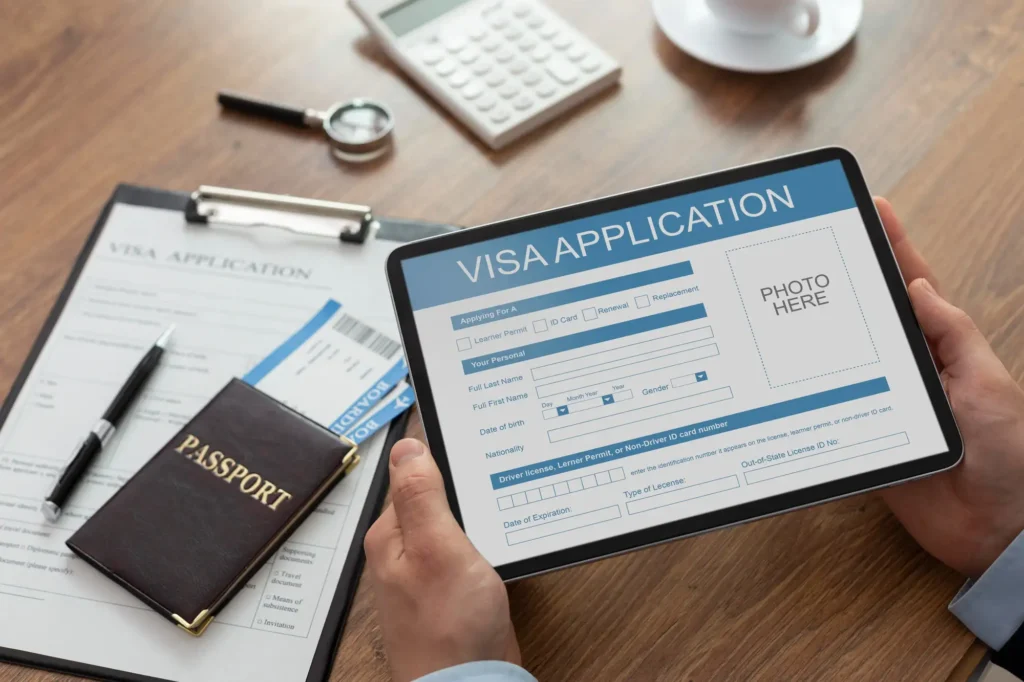
Step 5: Wait for the Decision
Visa processing time can vary according to the application, documentation and circumstances.
During this stage, students should avoid making non-refundable travel arrangements unless they are comfortable with the associated risk.
They should also monitor communication from the relevant authorities and respond to any requests for additional documentation.
Step 6: Prepare for Travel
After receiving the appropriate visa, students can begin preparing for their journey.
Keep important documents accessible, including:
- Passport
- Visa
- University admission letter
- Accommodation information
- Financial documentation
- Travel details
- University contact information
It is also sensible to keep digital backups of important documents.
Step 7: Understand the Student Residence Permit
A student visa should not be confused with a long-term residence permit.
Turkey’s Presidency of Migration Management states that foreign students attending higher-education programmes can receive a student residence permit, subject to the applicable requirements. Students are required to provide supporting information about their education and their address in Turkey.
The residence permit can cover the relevant period of study subject to the applicable rules.
Be Careful With Unofficial Websites
Students should use official Turkish government sources when checking immigration and residence information.
Turkey’s Migration Management authorities specifically provide warnings concerning unofficial websites and services related to residence-permit applications.
This is particularly important because students may encounter websites or individuals claiming to provide guaranteed immigration results.
Common Mistakes to Avoid
Students should avoid:
- Waiting until the last minute to prepare documents
- Submitting inconsistent information
- Assuming a tourist e-Visa is a student visa
- Booking expensive non-refundable travel too early
- Ignoring residence-permit procedures after arrival
- Relying on unofficial immigration websites
Instead:
- Start early
- Verify requirements
- Keep documents organised
- Use official sources
- Follow university instructions
- Prepare financially for the move.
Final Thoughts
The Turkey student visa process becomes much easier when students understand each stage before beginning. From receiving university admission and preparing documents to obtaining the appropriate visa and completing post-arrival residence procedures, careful planning is essential.
Visa and immigration rules can change, so students should always confirm the latest requirements through official Turkish authorities before applying.
With professional guidance and proper preparation, StudyLead Consultants can help Pakistani students approach their Turkey study journey with greater clarity, confidence and peace of mind.