

- Written by: Author
- September 1, 2026
- Comments: (0)

Studying abroad is an exciting opportunity to gain a quality education while experiencing a new culture, meeting people from different backgrounds, and becoming more independent. Turkey has become an increasingly popular destination for international students because of its universities, affordable living costs, cultural diversity, and strategic location between Europe and Asia.
StudyLead Consultants helps students explore suitable study opportunities in Turkey and guides them through the admission and visa process. For students considering Turkey, understanding both the opportunities and challenges can help them prepare for a rewarding international experience.
Table of Contents
ToggleWhy Choose Turkey for Higher Education?
Turkey offers a wide range of universities and academic programs for international students. Students can choose from fields such as engineering, medicine, business, computer science, social sciences, architecture, and arts. Many universities offer programs taught in English, making Turkey an attractive option for students who may not be fluent in Turkish.
Another advantage is the variety of public and private universities. While public universities can offer relatively affordable tuition fees, private universities often provide modern facilities, international programs, scholarships, and flexible admission options.
Turkey’s location is another major attraction. Students can enjoy a unique combination of European and Asian influences, making the country culturally rich and diverse. Cities such as Istanbul, Ankara, Izmir, and Antalya offer different lifestyles and experiences for international students.
Life on a Turkish University Campus
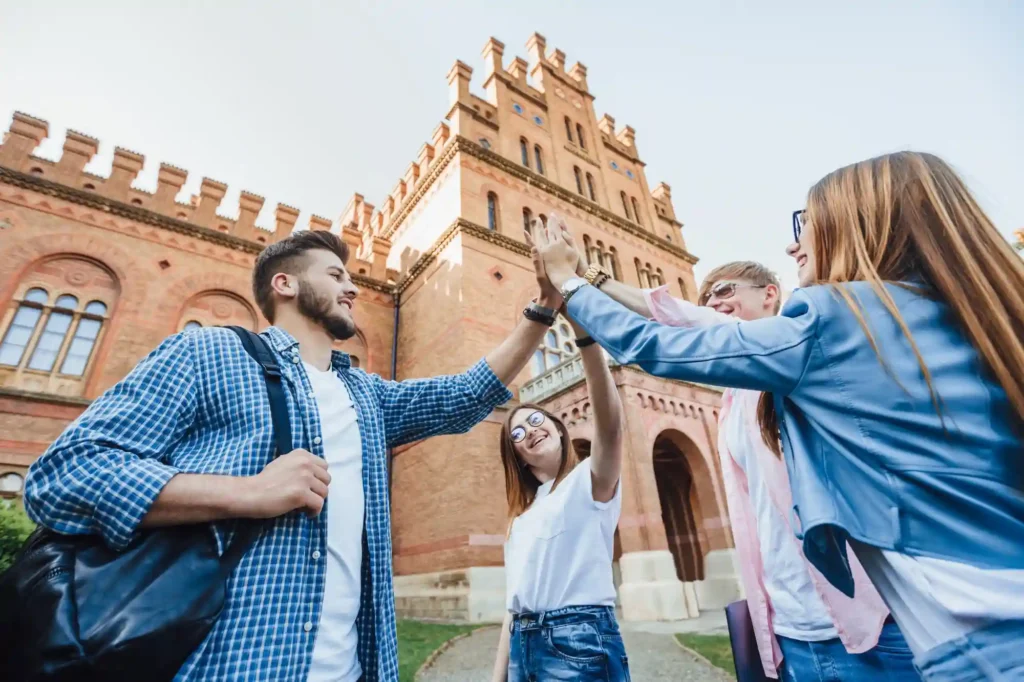
University life in Turkey can be both educational and social. Many universities have student clubs, sports facilities, libraries, cultural societies, and events where international students can interact with local students.
International students often have opportunities to participate in activities related to their interests. Joining university clubs can be an excellent way to make friends, improve communication skills, and become familiar with Turkish culture.
The experience also encourages students to become more independent. Managing studies, accommodation, transportation, finances, and daily responsibilities teaches valuable life skills that can benefit students long after graduation.
Cost of Living and Student Accommodation
One of the reasons Turkey attracts international students is its comparatively manageable cost of living. However, expenses vary considerably depending on the city and lifestyle.
Accommodation is usually one of the biggest expenses. Students may choose university dormitories, private student residences, or shared apartments. Istanbul generally has higher living expenses than many other Turkish cities, while cities such as Ankara and Konya can offer different options depending on location and accommodation type.
Students should also budget for groceries, transportation, mobile services, study materials, entertainment, and personal expenses. Creating a monthly budget before arriving can make financial management much easier.
Cultural Experience and Making Friends
Living in Turkey provides international students with an opportunity to experience a culture that combines Turkish traditions with influences from Europe, the Middle East, and Central Asia. Students can explore historical landmarks, local cuisine, festivals, markets, and different regional traditions.
At first, cultural differences may feel unfamiliar. However, interacting with local people and other international students can make the transition easier. Learning a few basic Turkish phrases can also be extremely helpful in everyday situations, particularly when shopping, travelling, or communicating outside university campuses.
Turkey’s diverse international student community can also help students build friendships with people from different countries. These connections can become valuable personal and professional networks.
Academic Opportunities and Career Development
International students can benefit from Turkey’s growing higher education sector and its connections with international academic communities. Depending on their university and program, students may have opportunities to participate in internships, research projects, student competitions, and exchange programs.
Studying in an international environment can also strengthen communication, teamwork, problem-solving, and intercultural skills. These qualities can be valuable when applying for jobs or further education after graduation.
Students should research their chosen university carefully before applying. Factors such as accreditation, program language, tuition fees, scholarship availability, location, academic reputation, and career opportunities should all be considered.
Challenges International Students May Face
Although studying in Turkey can be rewarding, international students may experience challenges during their transition. Language barriers are among the most common. Even when a degree is taught in English, students may need Turkish for daily communication.
Homesickness can also affect students, particularly during the first few months. Being away from family and familiar surroundings can be emotionally difficult. Staying connected with family while actively participating in university activities can help students adjust.
Financial management is another challenge. Students who do not plan their expenses carefully may find it difficult to manage their monthly budget. It is therefore important to understand expected living costs before travelling.
Adapting to a new education system may also take time. Teaching methods, classroom expectations, examination systems, and communication with professors may differ from what students are accustomed to in their home countries.
Tips for a Successful Student Experience
Students can make their experience easier by preparing before travelling. Researching the university, accommodation, city, transportation system, and expected expenses can reduce uncertainty.
It is also useful to keep important documents organized and maintain copies of passports, admission letters, visa documents, and other essential paperwork.
Once in Turkey, students should make an effort to communicate with classmates, attend orientation programs, join student societies, and explore their surroundings. Rather than staying within an international student circle, interacting with local students can provide a deeper cultural experience.
Most importantly, students should remain open-minded and patient. Adjusting to a new country takes time, and challenges are a natural part of the international student experience.
Final Thoughts
Life as an international student in Turkey can offer much more than a university degree. It can provide academic growth, cultural exposure, personal independence, international friendships, and valuable life experiences. While challenges such as language barriers, homesickness, financial planning, and cultural adjustment may arise, proper preparation can make the transition much smoother.
StudyLead Consultants can help prospective students understand their options and navigate the process of studying in Turkey, from selecting suitable universities to preparing for their international education journey.